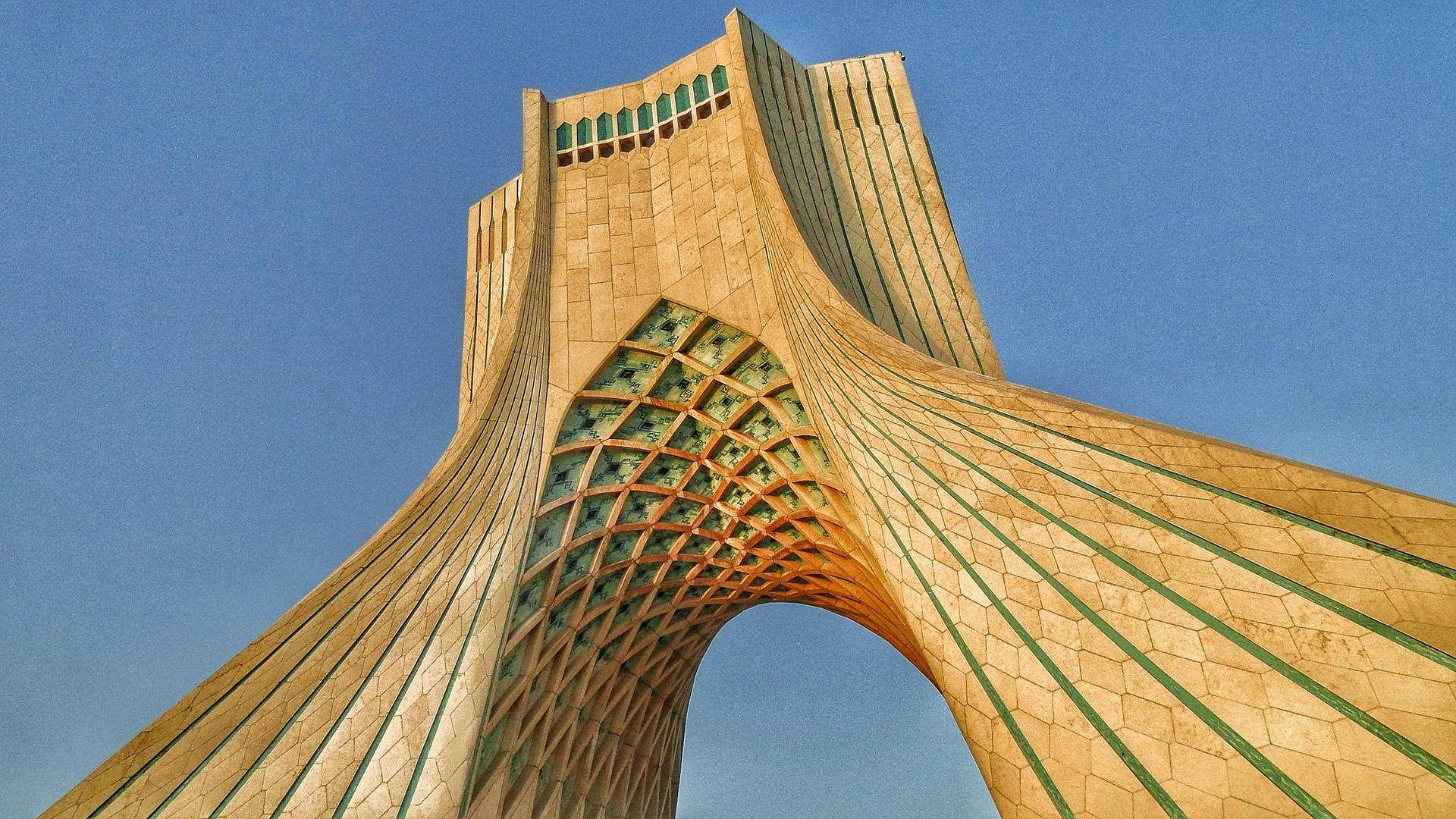
Iran is one of the largest and most strategically positioned economies in the Middle East and West Asia. With a large domestic market, abundant natural resources, a diversified industrial base, and a highly strategic geographic location connecting the Persian Gulf, Central Asia, the Caucasus, Turkey, Iraq, Afghanistan, and wider Eurasian trade corridors, Iran remains an important market for regional commerce, industrial cooperation, and long-term business planning.
At the same time, Iran is not a conventional open market. Its economic environment is shaped by international sanctions, banking and payment restrictions, foreign exchange volatility, regulatory complexity, state involvement in major sectors, and periodic policy uncertainty. As a result, entering the Iranian market requires a cautious, structured, and compliance-driven approach.
This article provides an overview of Iran’s economic structure, key sectors, trade opportunities, major business challenges, and practical market entry strategies for foreign companies considering engagement with Iran
Iran’s economy is relatively large, resource-rich, and diversified compared with many economies in the region. Its foundations include hydrocarbons, petrochemicals, mining, metals, agriculture, manufacturing, construction, transportation, trade, and a growing digital services sector.
Unlike economies that are primarily service-driven or manufacturing-export-oriented, Iran’s economy is deeply influenced by its energy sector. Oil and gas revenues have historically played a significant role in government income, foreign exchange earnings, infrastructure development, and industrial policy. However, over time, the country has also developed substantial non-oil capabilities, particularly in petrochemicals, steel, cement, food processing, pharmaceuticals, automotive production, and engineering services.
The most important pillars of Iran’s economy include:
A defining feature of Iran’s economic structure is the coexistence of private, public, and semi-public actors. In many strategic industries, large holding companies, state-owned enterprises, quasi-governmental organizations, pension funds, and public institutions play a major role. This creates a business environment in which commercial success often depends not only on price and product quality, but also on regulatory knowledge, local networks, reliable partnerships, and the ability to manage administrative processes.
The exact composition of Iran’s GDP varies by year and statistical methodology, but the economy can broadly be described as follows:
The services sector includes retail and wholesale trade, transportation, financial services, education, healthcare, communications, public administration, and domestic tourism. This sector is the largest contributor to economic activity and employment.
The industrial sector is broad and includes hydrocarbons, petrochemicals, mining, metals, manufacturing, automotive production, cement, pharmaceuticals, and utilities. Although some industrial subsectors are affected by sanctions and technology constraints, Iran retains considerable production capacity in several heavy and intermediate industries.
Agriculture represents a smaller share of GDP, but it is highly important for food security, rural employment, and exports of specific products such as pistachios, saffron, dates, raisins, apples, citrus fruits, herbs, and processed food items.
Iran’s export profile is heavily concentrated in energy-related products and basic industrial materials. While the country has a diversified productive base, its export basket remains dominated by oil, gas-related products, petrochemicals, minerals, metals, and selected agricultural goods.
Oil has historically been Iran’s most important export item and a major source of foreign exchange. However, oil exports are highly affected by sanctions, global oil prices, shipping restrictions, insurance limitations, and access to formal international markets.
Petrochemicals are among Iran’s most important non-oil export categories. Major products include methanol, urea, polyethylene, aromatics, polymers, fertilizers, and other basic chemical inputs. Iran’s competitive advantage in this sector comes from access to natural gas feedstock and established industrial capacity.
Iran is a significant regional producer of steel, copper, aluminum, iron ore, zinc, lead, cement, and other mineral-based products. The metals and mining sector plays a key role in non-oil exports and domestic industrial development.
Iran exports a range of agricultural and food products, including pistachios, saffron, dates, raisins, apples, watermelon, citrus fruits, vegetables, herbs, and processed food items. These products are often important in regional markets and among diaspora consumer groups.
Iran also exports selected industrial goods, construction materials, tiles and ceramics, cement, plastic products, household goods, and some engineering-related products to neighboring countries.
Iran’s exports are primarily built on three foundations:
For foreign businesses, this means Iran is not only a consumer market but also a potential source of raw materials, intermediate goods, industrial inputs, and regional supply opportunities.
Iran does not have trading-company networks comparable to Japan’s Sogo Shosha system. Instead, trade and market access are generally managed through a combination of:
Understanding this network-based commercial structure is essential. In Iran, successful market entry often depends on more than product competitiveness. Key factors include:
For foreign companies, selecting a reliable local partner is often one of the most important success factors
Iran occupies a strategic geographic position between the Persian Gulf, Central Asia, the Caucasus, Turkey, Iraq, Afghanistan, and South Asia. This location gives the country potential importance in regional logistics, transit trade, energy supply, and industrial distribution.
Iran can play several roles in regional value chains:
Iran’s importance comes from several factors:
However, the realization of this potential depends heavily on sanctions, infrastructure investment, customs efficiency, financial connectivity, and political-risk management.
The oil and gas sector remains the core of Iran’s economy. Iran holds some of the world’s largest reserves of oil and natural gas, and its downstream industries are central to exports and industrial development.
Potential opportunities include:
Foreign companies should note that this sector is highly sensitive from a sanctions and compliance perspective. Any engagement requires careful legal review and sanctions screening.
Iran has substantial mineral resources and a developed metals industry. Steel, copper, aluminum, iron ore, lead, zinc, and cement are among the most important subsectors.
The mining and metals sector has strong domestic demand and regional export potential, but it also faces challenges such as energy supply constraints, infrastructure limitations, equipment modernization needs, and exposure to export restrictions.
Iran has one of the largest automotive industries in the Middle East. The sector includes vehicle assembly, auto parts manufacturing, commercial vehicles, aftermarket parts, and repair services.
The automotive sector is attractive but complex due to regulatory constraints, pricing policies, sanctions, local content requirements, and the influence of major domestic players.
Iran has a large food market and a diverse agricultural base. Its climate enables production of a wide range of fruits, nuts, herbs, grains, vegetables, and livestock products. At the same time, the sector faces major challenges related to water scarcity, productivity, storage, logistics, and food waste.
Given Iran’s strong agricultural identity and regional market access, food processing and packaging are among the more practical sectors for commercial cooperation.
Iran has a sizable healthcare market, with demand for medicines, medical devices, hospital equipment, diagnostic systems, laboratory supplies, and digital health solutions.
This sector is heavily regulated. Market entry normally requires local registration, licensing, distribution authorization, and cooperation with an experienced local partner.
Iran has significant demand for housing, urban renovation, transport infrastructure, energy infrastructure, water systems, and industrial facilities.
The construction market can be large but cyclical, often affected by government spending, inflation, credit availability, and real estate market conditions.
Iran has a large, young, educated, and digitally active population. The domestic technology ecosystem includes e-commerce, fintech, software development, cloud services, cybersecurity, enterprise software, and digital platforms.
The technology sector can offer opportunities, but foreign companies must consider data regulations, payment limitations, platform restrictions, sanctions compliance, and localization requirements.
Iran’s business environment in 2025–2026 is shaped by several structural trends:
Based on these trends, the most relevant opportunity areas include the following.
Iran remains both a producer and consumer of energy-related industrial goods. The country requires equipment, technology, maintenance, optimization, and efficiency improvements across oil, gas, petrochemical, and utility systems.
Due to high compliance sensitivity, foreign companies should consider:
This is one of the more commercially practical areas because it is linked to domestic consumption, regional exports, and productivity improvement.
This sector requires close attention to:
Iranian companies increasingly need digital tools to improve efficiency, automate operations, manage customer relationships, and protect data. Demand exists in banking, retail, manufacturing, logistics, healthcare, education, and public services.
Foreign technology providers with adaptable, localized, and compliance-compatible solutions may find niche opportunities, particularly through local software or systems integration partners.
The sector is attractive for suppliers of machinery and technology, but transactions require careful assessment of counterparties, export controls, and payment mechanisms.
Iran has long-term potential as a logistics and transit hub, particularly for trade corridors connecting the Persian Gulf, Central Asia, the Caucasus, Turkey, Iraq, and South Asia.
Realizing this potential depends on infrastructure investment, customs efficiency, sanctions conditions, and regional stability.
Despite its potential, Iran presents significant business challenges. Companies considering market entry must evaluate these risks carefully.
Sanctions are the most important challenge for foreign businesses. They affect:
Companies must conduct sanctions screening, legal due diligence, export control review, and transaction-level compliance analysis before engaging in any business with Iran.
Due to limited access to international banking channels, payments can be difficult. This creates risk in:
Businesses often need carefully structured payment arrangements and must ensure full compliance with applicable laws.
Iran has experienced high inflation and currency volatility. These conditions affect:
Contracts should include mechanisms for currency adjustment, payment timing, and inflation-related risk management.
The business environment includes multiple layers of regulation involving import registration, standards, customs, taxation, licensing, and sector-specific approvals.
Common challenges include:
A competent local advisor or partner is often essential.
Businesses may face sudden changes in:
This makes long-term planning more difficult and increases the importance of flexible market entry strategies.
Many sectors are dominated by established domestic players with long-standing networks. New entrants may need time to build trust, credibility, and distribution access.
Foreign companies should not assume that technical superiority alone is enough. In Iran, market access often depends on:
Successful entry into Iran typically requires a gradual, partner-based, and risk-managed approach.
Before entering the market, companies should analyze:
A general market overview is not sufficient. Sector-specific and product-level analysis is essential.
A strong local partner can help with:
Potential partners may include:
Partner selection should include legal, financial, reputational, and compliance due diligence.
For many foreign companies, a phased approach is safer than immediate large-scale investment.
Possible stages include:
This approach allows companies to test demand, assess risk, and build trust gradually.
Every transaction involving Iran should be reviewed for:
This is not optional. Compliance must be treated as a core part of the business model.
Companies should consider:
In many sectors, after-sales support is a major differentiator.
For accurate and updated analysis, companies should consult both domestic and international sources.
Useful for macroeconomic indicators, inflation, growth forecasts, fiscal data, and external accounts.
Useful for development indicators, economic updates, poverty data, infrastructure, and sectoral analysis.
Useful for trade policy, tariff structures, accession-related information, and country trade profiles.
Useful for investment, trade, and development statistics.
Official statistics on population, GDP, labor, inflation, and sectoral indicators.
Macroeconomic, monetary, banking, inflation, and balance of payments data.
Industrial policy, trade regulations, mining data, and manufacturing-related information.
Relevant for foreign investment rules, procedures, and investment promotion.
Useful for trade statistics, customs procedures, import and export data.
Iran is a large, resource-rich, and strategically located economy with substantial commercial potential. It offers opportunities in energy, petrochemicals, mining, metals, food processing, healthcare, pharmaceuticals, industrial machinery, digital services, logistics, and regional trade.
However, Iran is also a complex and high-risk market. International sanctions, payment restrictions, foreign exchange volatility, regulatory complexity, inflation, and policy uncertainty make market entry challenging. Companies that approach Iran as a conventional emerging market may underestimate the level of preparation required.
The most effective market entry strategy is usually:
For companies capable of managing legal, financial, operational, and geopolitical risks, Iran can offer meaningful long-term opportunities, particularly in sectors connected to industrial modernization, food security, healthcare demand, energy efficiency, and regional supply chains.
© کلیه حقوق این وبسایت متعلق به اتاق بازرگانی ایران و ژاپن میباشد. هرگونه استفاده، بازنشر یا کپیبرداری از محتوای سایت بدون کسب مجوز کتبی ممنوع است.